The 6 Best Museums in Punjab, Ranked
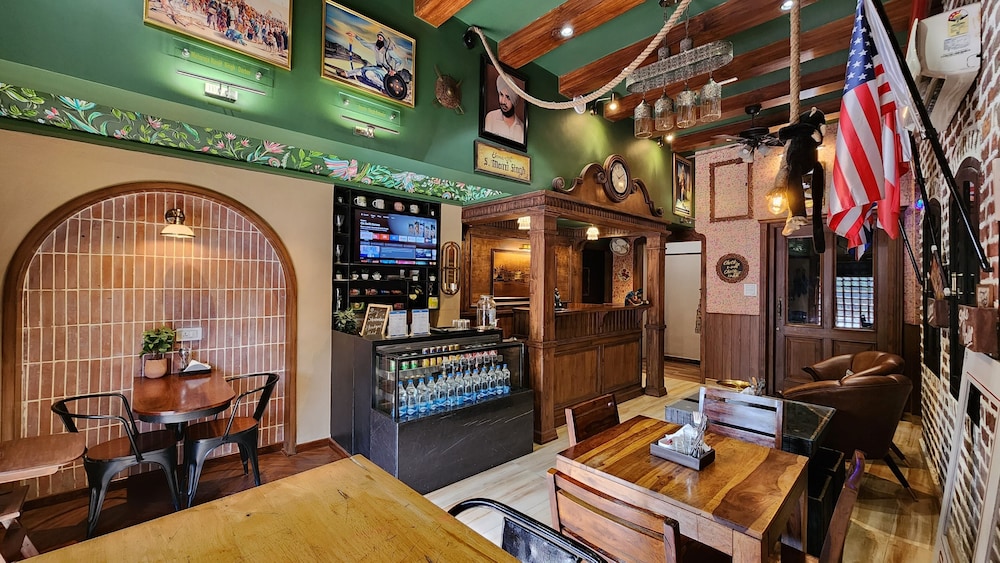
 Exhibition gallery inside a museum in Punjab with wooden floors and glass cases
Six museums that repay the ticket price, ordered by how much you’ll learn per hour spent inside.
1. Partition Museum, Amritsar
Housed in the old Town Hall, the Partition Museum is the first museum anywhere devoted to the 1947 Partition of India. It's ranked first because it does what museums are supposed to do: tell a story you didn’t know you needed to hear, using primary material — oral histories, letters, refugee cards, photographs, personal objects. The oral history recording booths are the heart of the museum. Sit with headphones on and listen to survivors, and the abstract number (14 million displaced, up to a million dead) becomes specific human voices.
Open 10am-6pm, closed Mondays. Entry ₹250 for foreigners, ₹10 for Indians. Give it three hours minimum; most visitors rush through in an hour and shortchange themselves. The bookshop is small but well-curated. Combine with a visit to Jallianwala Bagh next door — the 1919 massacre is Partition's necessary prologue. This is the one Punjab museum that international visitors consistently name as their most powerful experience in the region.
2. Virasat-e-Khalsa (Khalsa Heritage), Anandpur Sahib
Moshe Safdie designed this and it shows — the building itself, with its stainless-steel roofs echoing the Shivalik hills, is worth the trip. Inside, the exhibition takes you through Sikh history from Guru Nanak in the fifteenth century through the tenth Guru and the founding of the Khalsa in 1699. It's designed with real narrative intelligence: murals, artefacts, immersive tableaux, and a coherent arc rather than the usual case-by-case chronology.
Open 10am-5pm, closed Mondays. Entry is free. Give it three hours. The site is 200 km from Amritsar or 90 km from Chandigarh — plan around it, don’t try to squeeze it in. Second place because the content skews toward reverence rather than critical inquiry (this is a heritage project of the Punjab government), but the design and scale genuinely rival international-standard museums. Nothing else in north India looks or feels like this.
3. Government Museum and Art Gallery, Chandigarh
Chandigarh's Sector 10 museum holds the Gandharan sculptures, Pahari miniature paintings, and modernist Indian art that were partitioned to India after 1947. The Gandhara gallery — Buddhist sculptures from the second to fifth centuries CE, showing the Greco-Buddhist fusion of Alexander's legacy in the region — is world-class. The miniature painting collection includes Kangra, Basohli and Guler schools that are hard to see this well anywhere else in India.
Open 10am-4:30pm, closed Mondays. Entry ₹30. The building is a Corbusier design, cool concrete with north-facing skylights. Third place because it's a proper art museum with permanent collections that reward return visits, but the labelling is sparse and there's no strong narrative frame — you need to bring context or hire the on-site guide (₹300 for an hour). Combine with the adjacent Rock Garden for a full Chandigarh art day.
4. Sadda Pind, Amritsar (living village museum)
Not a museum in the traditional sense — Sadda Pind is a recreated Punjabi village that lets you walk through what rural Punjab looked like in the mid-twentieth century. Potters, weavers, tonga rides, folk performances, and a full Punjabi lunch. It's touristy in the literal sense but it's also the easiest way to see traditional crafts that are disappearing from actual villages. Kids like it; adults get more from it than they expect.
Open 10am-10pm, entry ₹700 including lunch and shows. Give it four hours. It's 8 km from central Amritsar, taxi ₹300 round trip. Fourth place because it's a constructed experience rather than a genuine historical site, but the alternative — trying to find working village crafts unaided — is realistically hard for a short-stay visitor. Skip the evening cultural show if you don’t like staged folk performance; the daytime crafts are the substance.
5. Maharaja Ranjit Singh Museum, Amritsar
Housed in the Summer Palace of Maharaja Ranjit Singh in Ram Bagh, this museum tells the story of the Sikh Empire from 1799 to 1849. Weapons, coins, manuscripts, paintings and personal effects of the Maharaja and his court. The building itself is a stone-and-lime palace with a small garden, restored patchily but atmospheric. The exhibits are older-school (glass cases, typed labels) but the material is genuinely important — this was north India's last independent kingdom.
Open 10am-5pm, closed Wednesdays. Entry ₹10. One hour is enough. Fifth place because the curation is dated and the story feels compressed — you don’t get the political complexity of the Sikh Empire in the way you’d get, say, the Mughal story at the National Museum. But it's cheap, central to Amritsar, and if you’re interested in nineteenth-century Punjab it's essential background before or after visiting the Golden Temple.
6. Rural Heritage Museum, Punjab Agricultural University, Ludhiana
Tucked inside PAU's Ludhiana campus, this is the museum of Punjabi rural life — bullock carts, farming tools, kitchen implements, textiles, wedding costumes. It's a labour of love more than a professional institution, and the labelling is entirely in Punjabi and English school-project style. But the collection is dense and honest, and it fills gaps that no other Punjab museum touches: how people actually lived and worked in villages before mechanisation.
Open 9am-5pm weekdays, sometimes closed for university events — call ahead (+91-161-2401960). Entry ₹20. Ninety minutes suffices. Sixth place because it takes real interest in the vernacular to enjoy — most casual tourists will find it dry — but agricultural historians, textile people and anyone with Punjabi rural family roots will find it moving. Combine with lunch at the PAU campus canteen for a proper Ludhiana university day.
Before you book
What people ask before booking Amritsar.
Partition Museum in Amritsar, without hesitation. It's the most emotionally powerful, the best curated, and the story it tells is one you can’t get in the same depth anywhere else in the world. Give it a full afternoon and don’t rush the oral history booths — they’re the point.
Partition Museum, Virasat-e-Khalsa and the Chandigarh Government Museum all have English labelling and English-speaking guides available. The Ranjit Singh Museum has English labels but they’re dated. Sadda Pind operates in Punjabi and English. The PAU Rural Heritage Museum is the least English-accessible.
Most Punjab museums close on national holidays (Republic Day, Independence Day, Gandhi Jayanti) and often on state holidays (Guru Nanak Jayanti, Baisakhi). Sadda Pind stays open on most holidays because it operates as an attraction rather than a public museum. Always check the day before if your timing is tight.