What's Overrated in Punjab: The Attractions You Can Actually Skip
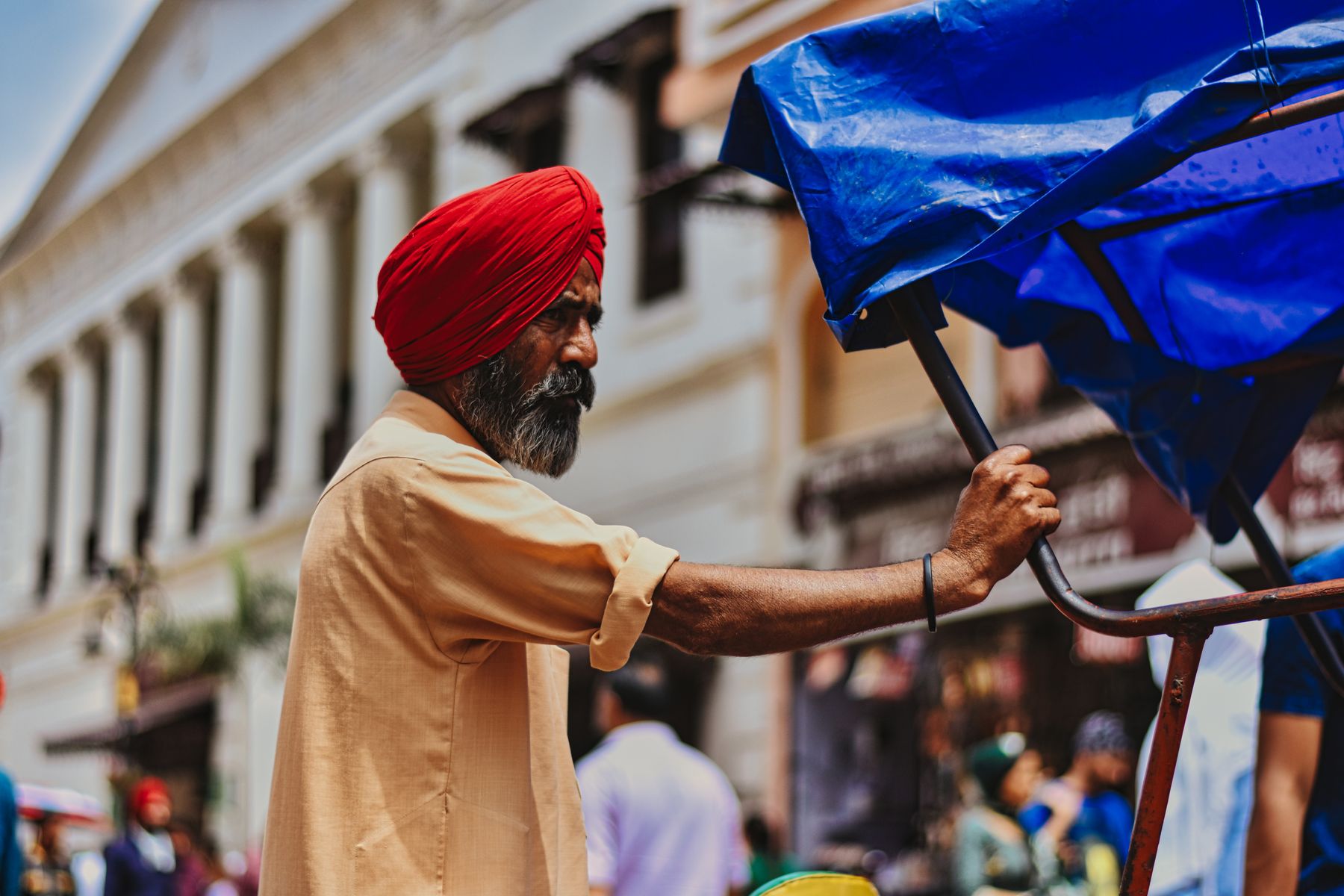
 Crowd at a Punjab tourist attraction at midday
Five of the ten most-recommended Punjab experiences are worth skipping or heavily modifying — starting with the Wagah border ceremony at peak crowd, which delivers 20 minutes of value for 4 hours of waiting.
Wagah border ceremony, mostly
The flag-lowering ceremony at Wagah is on every itinerary and delivers less than the hype promises. The soldiers' choreographed high-kicks and moustache-flourishing are genuinely striking for the first ten minutes. The problem is what surrounds them: two hours of queuing to enter, chaotic seating, a two-hour wait in the sun (or worse, holiday rain), and a 45-minute crawl of traffic back to Amritsar after. Weekend and holiday crowds push the total round trip past six hours for a ceremony that runs 40 minutes.
If you go, go on a weekday, arrive by 3.30pm for a 5pm ceremony, sit on the right side facing the border for better sun angles, and leave five minutes before it ends to beat the exit stampede. If you have limited time, skip it entirely and watch a two-minute YouTube clip that shows you what you would have seen. Substitute with Gobindgarh Fort's evening light-and-sound show for a manufactured spectacle that costs less time and less patience. Wagah is culturally interesting; it is not culturally essential.
Chandigarh Rose Garden
Zakir Hussain Rose Garden gets top-billing in Chandigarh guidebooks and delivers a moderately pretty park with 1,600 rose varieties that bloom for four weeks a year (mid-February to mid-March). Outside that window it is a well-maintained but unspectacular lawn with rose bushes waiting for their moment. The rose festival in February-March is genuinely nice — flower shows, music, food stalls, families — and worth an afternoon. The other 48 weeks of the year, skip it in favour of the Rock Garden or Sukhna Lake.
The Rock Garden by Nek Chand — 40 acres of sculpture built from industrial waste — is the actual reason to visit Chandigarh's park system. It is one of India's most original artistic environments, takes 2-3 hours to walk, and rewards attention in a way the rose garden simply does not. Similarly, Sukhna Lake at dawn beats the rose garden at any hour outside festival weeks. Prioritise those two if your Chandigarh stay is short.
The bulk-tourism gurudwara circuit
Tour operators sell a five-gurudwara Punjab circuit — Amritsar, Anandpur Sahib, Fatehgarh Sahib, Muktsar, Damdama Sahib — as a single-week package. The Golden Temple, Anandpur Sahib and Fatehgarh Sahib absolutely deserve visits. Muktsar and Damdama Sahib are important religious sites but visually and experientially quieter, and non-Sikh visitors doing the circuit purely as tourism often report exhaustion by day five. Unless you have specific religious reason to complete the panj takht (five thrones), curate.
The two-gurudwara focus — Harmandir Sahib in Amritsar and Anandpur Sahib for Virasat-e-Khalsa and the historic complex — gives you the depth of the tradition without the fatigue. Add Fatehgarh Sahib if you are driving between them (it is roughly on the route) and skip Muktsar and Damdama Sahib unless the Maghi Mela in January is on. Also skip Goindwal Sahib on a first visit unless you are a serious pilgrim; it is meaningful but subtle, and the drive from Amritsar is longer than it looks on the map.
The Punjabi wedding tourism idea
Some agencies now sell Punjabi wedding experiences to foreign visitors — attend a real wedding, dance the bhangra, eat the food. In principle this sounds charming. In practice it ranges from tacky (staged weddings arranged for tourist groups) to intrusive (crashing a real wedding as a paying observer). Punjabi weddings are family events with deep religious and social meaning, and treating them as spectacle disrespects both hosts and guests, regardless of what the tour agency claims about the family's consent.
If you want the aesthetic — the lehengas, the sangeet, the food, the dancing — go to a wedding-themed restaurant or a cultural evening at a hotel. Haveli near Jalandhar and similar Punjab-village-themed restaurant complexes across the region stage bhangra performances, serve traditional thalis, and let you take the photos and eat the food without inserting yourself into someone's actual life. If you are genuinely invited to a wedding through a personal connection, that is different and wonderful; the paid tourism version is not the same experience.
Overpriced heritage hotel stays
Punjab's heritage hotels — converted palaces and havelis in Kapurthala, Patiala, Gurdaspur and select Amritsar properties — market themselves at 15,000-30,000 rupees a night for atmospheric experiences that sometimes deliver and often do not. The good ones (WelcomHeritage Ranjit's Svaasa in Amritsar, The Baradari Palace in Patiala on its best days) offer genuinely distinctive stays. The mediocre ones charge palace prices for lightly renovated old buildings with weak service and unreliable hot water, betting on the aesthetic to distract from the operational gaps.
The honest move is one heritage night as an experience, not five. Book the WelcomHeritage or Neemrana-branded property for a specific atmospheric night, then move to a Hyatt, Taj or Radisson for the rest of the trip where the beds, showers, breakfasts and Wi-Fi are consistent. Read recent reviews specifically for heating in winter (many heritage buildings are cold), Wi-Fi speed, and whether the property is actively maintained. A poorly maintained palace hotel is a bad night, not a magical one.
The Amritsar-only trip
Amritsar-only Punjab trips are common — fly in, do the Golden Temple, do Wagah, fly out. As a religious pilgrimage this is complete. As a Punjab visit it is not. It leaves out Chandigarh's architecture, Anandpur Sahib's history, Patiala's royal remnants, the mustard fields of the doaba region, the food scenes of Ludhiana and Jalandhar, and the rural rhythm that defines the state more than any single city. Two days in Amritsar and nothing else is not a Punjab trip; it is a Golden Temple trip that happens to be in Punjab.
The counter is not to add every city — that produces the exhausting five-gurudwara circuit above. The counter is to add one contrast: Chandigarh for two nights (modernist architecture, better restaurants, easier logistics), or Anandpur Sahib for one night (Virasat-e-Khalsa museum plus the historic complex), or a village stay near Amritsar or Jalandhar for one night (a working farm, mustard fields in season, real langar in a village gurudwara). Any one of these transforms the trip from a pilgrimage to a place.
The overrated food takes
Amritsari kulcha is genuinely great and lives up to the hype. The overrated version is the specific tourist-branded Kulcha Land in Ranjit Avenue during peak lunch, where you wait 40 minutes for a kulcha you could have eaten fresh at three unmarked stalls within a kilometre. The real move is asking your hotel staff or a local for their neighbourhood spot; every Amritsar family has one, and the tourist-famous ones are rarely the best. The same applies to Kesar da Dhaba (excellent but crowded and slow) versus its many quieter equivalents.
Butter chicken tourism in Amritsar and Ludhiana is another trap. The dish is delicious, but the version served at hotel restaurants for 800 rupees is not qualitatively different from the version at a mid-range dhaba for 350. Spend the difference on trying dishes you cannot get abroad: sarson da saag with makki di roti in December-January, Amritsari fish fry, phirni for dessert, jalebi with rabri at Gurdas Ram in Amritsar or any well-known sweet shop. Restaurant-brand butter chicken is not the highlight of Punjab food; it is the marketing of it.
Before you book
The questions people ask about Amritsar, answered with this month’s numbers.
No, and this is the exception that proves the pattern. The Golden Temple genuinely delivers on the hype — architecturally, spiritually, operationally (langar feeding 100,000 people daily), and atmospherically at 4am. First-time visitors sometimes visit only once at midday, when it is crowded and hot, and leave underwhelmed. Visit at least twice, including sunrise or late evening, and the reputation makes sense.
Not entirely — the ceremony is culturally distinctive and worth seeing once. Skip it if your Amritsar time is under 48 hours; the opportunity cost against a proper old-city food walk or a second Golden Temple visit is high. If you go, aim for a weekday, sit on the right side, and treat it as a 90-minute experience surrounded by three hours of logistics.
Tarn Taran and Goindwal Sahib are historically important but visually understated — non-Sikh visitors often find them anticlimactic after Harmandir Sahib. Save these for return trips or serious pilgrimage. Kartarpur Corridor day trips are logistically complex and slot-dependent; verify current visa-free access rules before planning around them. The Amritsar-Anandpur Sahib route is the day trip that reliably rewards effort.
The Katra Jaimal Singh phulkari market in Amritsar and Adalat Bazaar in Patiala are the real thing — locals shop there and prices are fair. The tourist-branded emporiums in hotel lobbies and major junctions mark up 200-400% on similar goods. For juttis, phulkari, dupattas and traditional bags, go to the local bazaar with a rough price range in mind, expect to haggle 20-30% off the first ask, and pay cash for the best rates.