The February-March sweet spot in Punjab: mustard bloom, Holi and 30% off winter rates
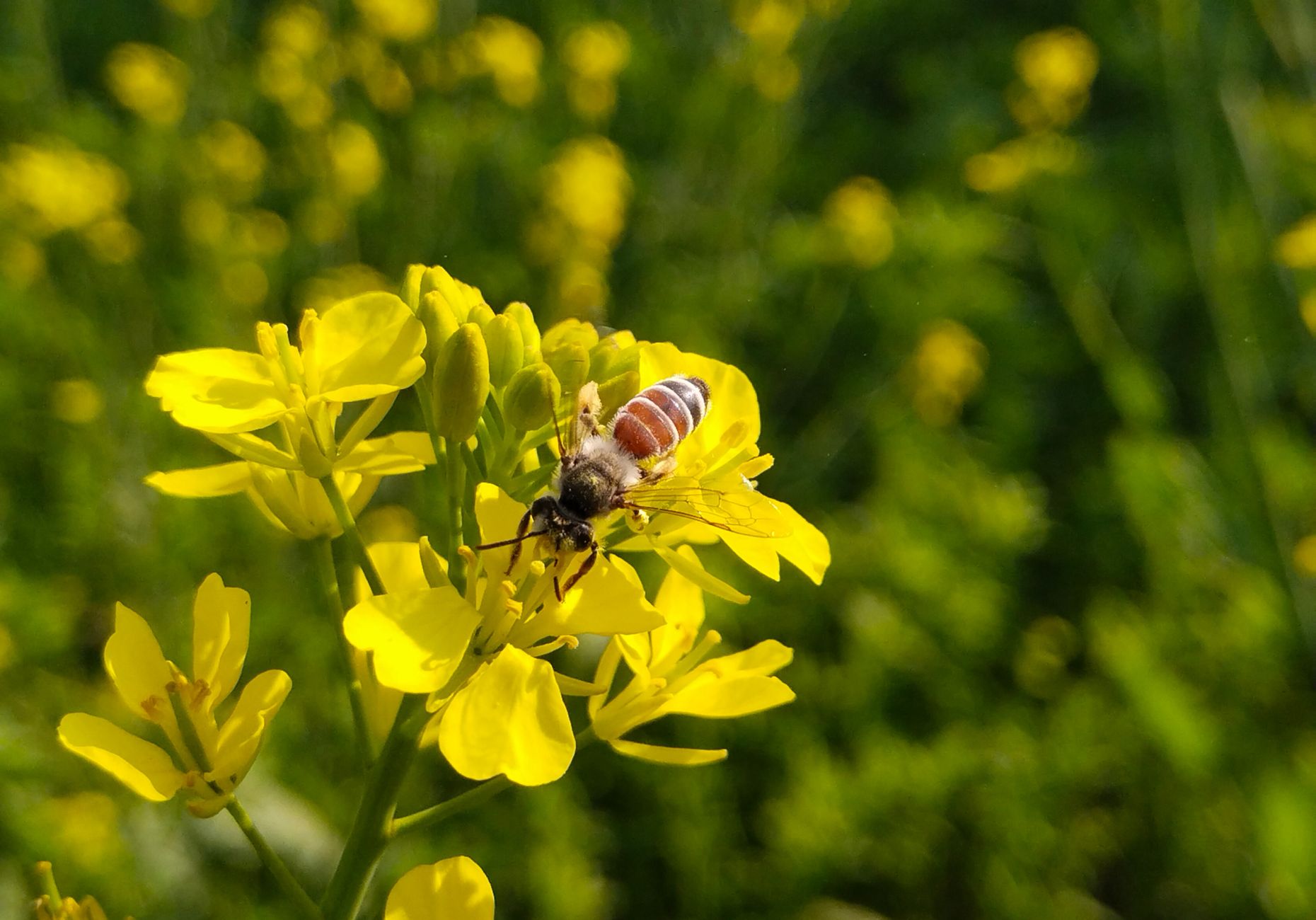 Mustard fields in bloom stretching across rural Punjab in February
Six weeks between wedding season and heat, when mustard fields turn yellow, Holi lands mid-March, and heritage hotels quietly discount 25-40% while the weather is still perfect.
Why February-March beats December-January
Most guidebooks tell you to visit Punjab in winter, meaning December-January. They are half-right. December-January delivers cool weather but also fog delays, wedding-season hotel scarcity, and inflated prices. February-March delivers the same 15-25°C daytime weather without any of those problems. Fog clears by 25 January, wedding demand drops sharply after 15 February, and heritage properties that were ₹14,000 in December are ₹8,500-9,500 in mid-February. Air quality is excellent (AQI 60-100), monuments are open full hours, and transport is reliable.
The catch that keeps this window quiet: international marketing focuses on the December cluster (Christmas break for Western travellers) and the November festival window. February-March falls between these promotional pushes, so awareness is low. Domestic Indian tourism also drops because Punjabi schools are in exam season and families are not travelling. This produces a genuinely underused window with perfect weather and available rooms. If I had one recommendation for a first Punjab trip, it would be the 10-25 February slot.
The mustard bloom: February's headline visual
Sarson (mustard) fields bloom yellow across Malwa and Doaba regions from roughly 20 January to 15 February, with peak intensity in the first ten days of February. The best belts are Bathinda-Mansa-Sangrur (southern Malwa), Kapurthala-Hoshiarpur (Doaba), and around Fatehgarh Sahib. Drive any state highway in this window and you pass kilometres of yellow fields against clear blue skies — the Bollywood-DDLJ visual is genuinely real for about three weeks. After 15 February, farmers cut the crop for oil pressing and the yellow disappears within a week.
Farm stays and rural homestays run their premium bookings in this window. Citrus County, Punjabiyat, and heritage properties like Judge's Court (Pragpur) sell mustard-bloom packages at ₹5,500-9,000 with tractor rides through fields, oil-pressing demonstrations at village mills, and sarson-da-saag cooking classes. This is the one time of year rural Punjab out-earns Amritsar per room-night, and capacity is genuinely tight. Book 45-60 days ahead for the first ten days of February; the second half of the month opens up considerably.
Hola Mohalla and Holi: March's festival week
Hola Mohalla is the Sikh martial festival at Anandpur Sahib, held over three days ending on the day of Holi (March 4 in 2026). Founded by Guru Gobind Singh in 1701, it features Nihang Sikhs performing gatka (traditional martial arts), horseback stunts, mock battles and langar for 500,000+ pilgrims. This is the most culturally distinctive festival in Punjab — nothing else looks or feels like it — and awareness among international visitors is very low. If you want a photojournalist-worthy Punjab experience, this is it.
Holi itself is celebrated in Punjab but more subdued than in Uttar Pradesh or Delhi. Hindu-majority pockets (Kapurthala, parts of Ludhiana) do full colour play; Sikh areas mostly skip it. Hotels do not surge much for Holi (10-15% at most) except in Anandpur Sahib and Rupnagar, which triple for Hola Mohalla. Book Anandpur Sahib 60 days out or base in Chandigarh (2.5 hours away) and daytrip. The three days of Hola Mohalla are the most authentic Sikh cultural experience possible outside Baisakhi week, without Baisakhi's crushing volume.
Hotel pricing across the six weeks
First week of February: still on late-winter rates, roughly 20% below December peak. Heritage rooms ₹8,000-10,500, business hotels ₹5,500-7,500, budget ₹1,600-2,400. Wedding season is winding down; some weekend saya dates remain in the first ten days. Second and third weeks of February: cheapest of the winter, 30-40% below December. Heritage ₹6,500-8,500, business ₹4,500-6,000, budget ₹1,200-1,800. This is the value window.
Last week of February to first week of March: rates hold at February levels, with modest Holi/Hola Mohalla surges in specific towns. Second week of March: rates start rising 10-15% as tour operators begin advance April bookings. Third week onward: temperatures climb past 30°C, hotels start discounting for early summer, but not yet the deep April discounts. The absolute peak value week for a Punjab heritage trip is 15-22 February: perfect weather, mustard still blooming in patches, wedding season fully over, prices bottomed out, and no festival crowds. Book it and thank me later.
What is open, what is at its best
Everything is operational and most things are at their peak. The Wagah border ceremony runs from 4.30pm at February's start to 5.15pm by March's end — the shift as sunset moves later. Museums including the Partition Museum and Virasat-e-Khalsa run full winter hours (10am-6pm) with fewer visitors than December. Sheesh Mahal Patiala and Qila Mubarak are open until 5.30pm. The Golden Temple's four-hour early-morning window (3am-7am) is at its most atmospheric — cool enough for a shawl but not the biting cold of January.
Restaurants are at their best. Winter dishes (sarson da saag, makki di roti, gajar halwa, gur-based sweets) are still on menus through most of February but summer specials (fresh gur juice, first amla pickle) start appearing. Kesar Da Dhaba, Bharawan Da Dhaba, Beera Chicken House and the Adda Barnala dhaba chain all run their peak menus. Sweet shops produce daulat ki chaat (a north Indian foam-based winter dessert) that vanishes by mid-March — try it at Gopal Sweets in Amritsar or Bansal Sweets in Ludhiana.
The one weather variable to watch
Western Disturbance rain systems occasionally sweep through north India in February, dropping 2-3 days of light rain and cool temperatures (12-18°C highs) each time. Punjab typically gets 2-4 such systems in February and 1-2 in March. They are not disruptive — no flooding, no transport issues — but they can flatten photography for a couple of days and make evening outdoor dining uncomfortable. Check IMD forecasts 5-7 days before travel and plan indoor activities for the rain days.
The benefit of these systems: they trigger the actual visual peak of mustard fields (rain-fresh yellow against dark clouds is stunning) and drop AQI to under 40 for 3-4 days after — the cleanest air Punjab produces all year. If you are flexible, watch the forecast and book your trip to arrive one day after a Western Disturbance clears. Late February 2026 statistically has the highest probability of this alignment. Farm stays actively market post-rain 'peak green' packages; ask when booking whether they will hold your dates flexibly for weather.
A seven-night February-March itinerary
Night one and two: Chandigarh, arriving via Delhi flight or train. Rock Garden, Sukhna Lake, Sector 17 dinner. Nights three and four: Amritsar via Vande Bharat (2h 15min), heritage property near Golden Temple, one dawn temple visit, Wagah border, Partition Museum, dhaba dinner at Kesar Da Dhaba. Night five: transfer to farm stay in Kapurthala or Hoshiarpur (2 hours), mustard field tractor ride if February, village walk, home-cooked dinner.
Night six: Patiala, Sheesh Mahal and Qila Mubarak, dinner at Neemrana Baradari Palace even if not staying. Night seven: Anandpur Sahib and Virasat-e-Khalsa museum if this falls near Hola Mohalla, otherwise back to Chandigarh for departure. Total cost including domestic flights, heritage accommodation, car with driver for six days, all meals and entries: roughly ₹85,000-1,10,000 per person (US$1,020-1,320) for two people sharing, versus ₹1,25,000-1,60,000 for the same itinerary in December. Same weather, same monuments, 30% less spend.
Before you book
The questions people ask about Punjab, answered with this month’s numbers.
Peak yellow across most of Punjab runs 25 January to 12 February in a typical year, with southern Malwa (Bathinda area) peaking about 5 days earlier than northern Majha (Amritsar area). By 18-20 February, most fields have been cut. Climate variation shifts this by 4-7 days annually; check with farm stays for current-year conditions 2-3 weeks before travel.
Yes, though intense. Crowds are massive (500,000+ over three days) but Sikh volunteer stewarding is professional. Nihang martial displays involve real weapons and horses at speed; stay behind marked boundaries. Language barrier is real — hire a local guide (₹2,500-4,000 per day) via your hotel to explain rituals. Solo female travellers report feeling entirely safe within the gurdwara complex.
Yes, but you often need to book direct or via phone rather than OTAs. Booking.com shows perhaps a 15% winter-shoulder discount; a direct email or phone call to the reservations manager typically yields another 15-20% off, especially for stays of 3+ nights Monday-Thursday. Neemrana, Ranjit's Svaasa, and Mrs Bhandari's Guest House all honour direct-booking discounts.
Ice-skating in Manali daytrips (season ends mid-February), the Chandigarh Chrysanthemum Show (peak December), and the Delhi-Punjab winter fog atmospherics if that is what you came for. Everything else — Golden Temple, Wagah, heritage sites, dhaba food, rural landscapes — is equal or better in February-March than in December.