Where to stay in Nangal: the dam town with a serious view problem
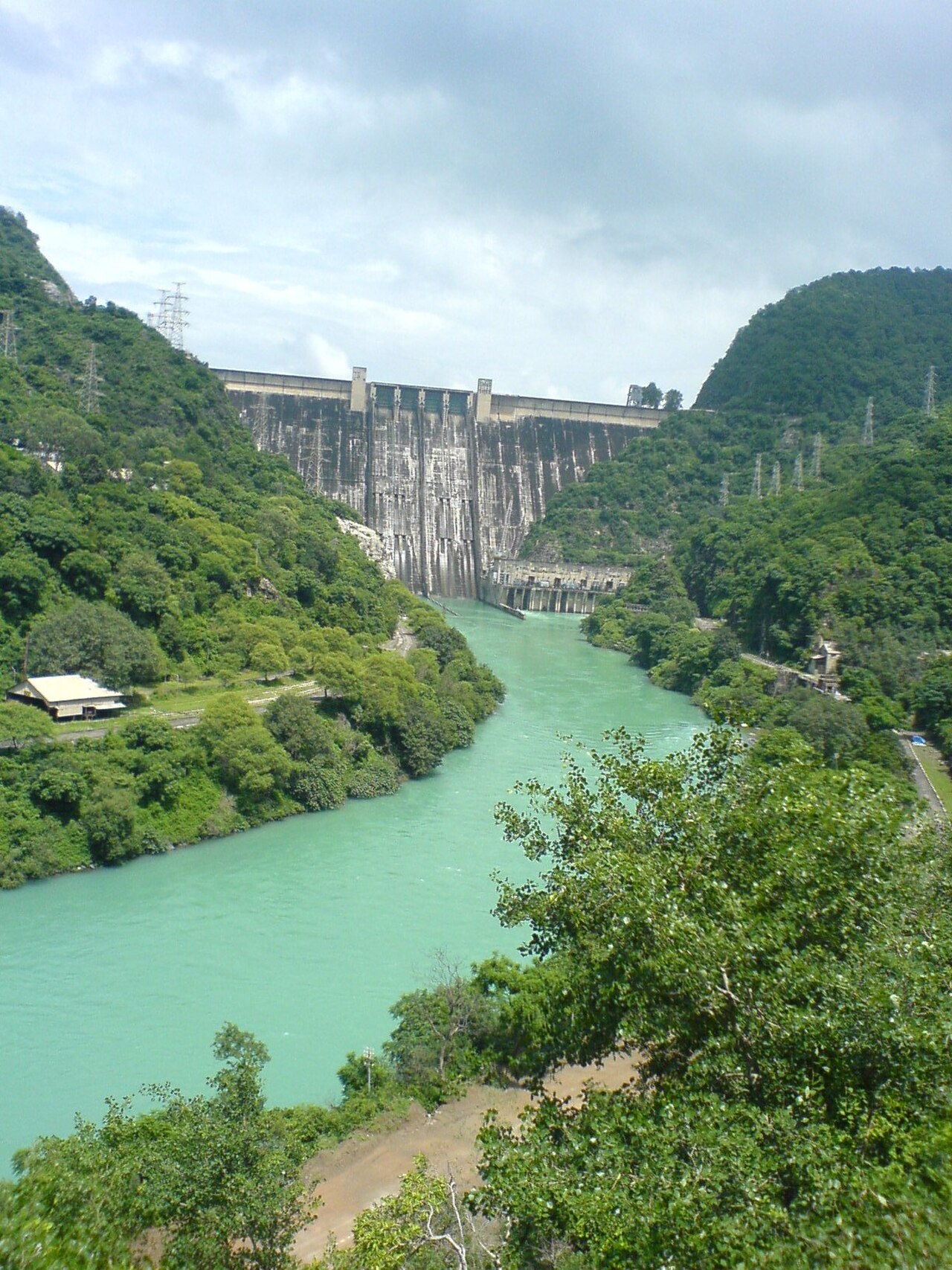 Bhakra dam reservoir viewed from the Nangal side at golden hour
Nangal has maybe six hotels total and one of them looks straight at the Sutlej reservoir, so this guide is really a decision about which side of the water you sleep on.
Why anyone stays in Nangal at all
Nangal exists because of the Bhakra-Nangal dam project, and most people who sleep here are doing one of three things: visiting the dam and reservoir, breaking the drive to Himachal at Bilaspur or Manali, or working at the BBMB township. Unlike Barnala or Moga, Nangal actually has scenery — the Sutlej widens into a proper lake here, the hills of Himachal rise on the far side, and evenings on the water can be genuinely lovely from October through March. This makes it one of the few small Punjab towns where a leisure overnight makes sense.
That said, Nangal is not a resort town and does not have resort-town infrastructure. Hotels are functional rather than atmospheric, restaurant options are thin, and the town proper is a small planned grid built for dam workers rather than tourists. Come here for the dam, the reservoir, the drive on to Anandpur Sahib forty minutes south, or as a Himachal launchpad. Do not come expecting spa hotels and lakeside dining.
The BBMB colony side
The Bhakra Beas Management Board colony on the north side of town is where the older PWD-style guesthouses sit, and where the town's cleanest air and quietest streets are. Rooms here go through BBMB channels for official visitors and through a couple of private hotels catering to engineers and contractors. Rates run ₹2,000-3,200 for a solid AC double. The colony is walkable, tree-lined, and has views toward the barrage from certain streets. This is the pocket for anyone who wants a proper night's sleep and does not mind a lack of nightlife.
The catch is distance from the reservoir viewpoints and the main markets. From the colony you are looking at a ten-minute auto ride to the standard dam viewing point at Nangal Lake or fifteen to the barrage itself. Autos are available but not constant — book a return with your driver or arrange a hotel car for ₹1,500 half day if you want to explore properly.
Near Nangal Lake and the viewpoints
The pocket closest to Nangal Lake, on the road running along the reservoir toward Naina Devi, has two or three hotels that trade on views. One of them, a mid-range property with rooms priced at ₹2,800-4,500, has genuine lake-facing rooms and a rooftop that catches the sunset. This is the room worth paying for if you are here for the scenery. Book two weeks ahead in October-November and February-March, which are the best months for the light and the temperatures.
The other properties on this strip are older and cheaper at ₹1,600-2,400, without lake views but within ten minutes' walk of the water. The walk itself, along the reservoir road at sunset, is the best free thing to do in Nangal. Traffic is light, the path is safe for solo walkers of any gender in daylight and early evening, and you will see fishermen, evening walkers from town, and occasionally birdlife on the far bank.
What is actually walkable
From a lake-side hotel you can walk to the main reservoir viewpoint, three or four small dhabas and tea stalls, the Nangal township market for basics, and — if you have the legs — the dam barrage itself, about two kilometres each way. From the BBMB colony you can walk within the colony and to a couple of nearby restaurants, but not to the water without a vehicle. This makes the lake-side hotels the clear winner for anyone travelling without their own car.
The dam itself, meaning the main Bhakra structure, is not walkable from town. It is about 13 kilometres up the road toward Bhakra village and requires a car or auto (₹600-900 return with waiting time). Photography permissions at the dam have tightened over the years — check current rules at your hotel before going, and expect to leave phones and cameras with security at some viewpoints.
Nangal versus Anandpur Sahib for a night
This is the real decision for most visitors, because the two towns are forty minutes apart and each has a legitimate case. Anandpur Sahib wins on cultural weight — the takht, the fort complex, the Virasat-e-Khalsa museum, and a much larger pilgrim infrastructure that means more hotel choice at ₹1,500-4,000. If you have not been to Anandpur Sahib before, that is where to sleep.
Nangal wins on scenery, quiet, and cooler evenings in summer thanks to the water and slight elevation. It also wins if you are heading north into Himachal the next morning, since it puts you an hour closer to Bilaspur and beyond. My default is Anandpur Sahib for a one-night visit to the region, Nangal for a two-night stay where the second night is specifically for the reservoir and the drive up toward Naina Devi.
Prices, seasons and booking
A night in Nangal costs ₹1,800-3,500 for the range worth booking, which is broadly similar to Anandpur Sahib and about 20% below Chandigarh. The lake-view premium is real: expect to pay ₹800-1,200 more for a room that actually looks at water versus one on the town side of the same hotel. In peak months — October, November, February, March, and around major gurdwara events at Anandpur Sahib that spill demand into Nangal — rates jump 25-40% and lake-view rooms book out ten to fourteen days ahead.
Summer, May and June, sees the reservoir levels drop and the views become less striking, but temperatures stay tolerable thanks to the water and the elevation. Monsoon, July through September, is when the reservoir looks its fullest but roads to Himachal get unpredictable. Winter mornings can drop to 4-6°C and hotel heating is limited to room heaters — pack layers rather than expecting central heat.
Eating and evenings
Nangal's food scene is honest but small. The market area has three or four sit-down restaurants doing Punjabi and North Indian standards for ₹200-400 a main, and a handful of dhabas along the road toward the dam that serve dam workers and passing traffic. The lake-side road has two small cafés that open seasonally and do decent chai, pakoras and Maggi for the sunset crowd. There is no fine dining, no bar culture beyond hotel restaurants, and coffee means instant unless a hotel has invested in a machine.
Evenings work best if you plan around the water. Walk the reservoir road from 5 to 6:30, eat at your hotel or in the market by 8, and be in for the night by 10. The town shuts down early. Bring a book or plan to catch up on sleep — this is a place where the day ends when the light goes, and that is much of what makes it worth stopping.
Before you book
The questions people ask about Nangal, answered with this month’s numbers.
Yes, comfortably. Bhakra is 30 minutes north, Anandpur Sahib 40 minutes south, and both make easy half-day trips. A two-night stay in Nangal lets you do dam and reservoir on day one, Anandpur Sahib on day two, and drive out on day three morning. Hire a car for around ₹2,500 per full day including driver.
It is a reasonable one, especially if you left Chandigarh late. Nangal to Manali is still eight to nine hours of driving, so breaking here trades a longer day two for a shorter day one. If you are driving from Delhi, though, push on to Bilaspur or Mandi — Nangal is too early a break to be useful.
In October-March, yes, unambiguously. The morning and evening light on the water is what you came for, and paying ₹1,000 extra for a room that shows it to you from bed is money well spent. In summer with lower water levels the view is less striking and the premium harder to justify.