Barnala
Small Malwa market town — grain trade, cotton, and a very local Punjab you won’t find on any tour brochure.
.jpg?width=1280) Grain market at Barnala
Grain market at Barnala
Why people stay in Barnala
Barnala is honest about what it is: an agricultural market town in the Malwa belt where the grain arrives from surrounding villages and gets sorted, weighed, and sold. There is almost no tourist infrastructure and no monument worth crossing the state for. If you’re passing through the Ludhiana-Bathinda axis it's a legitimate lunch stop — Baba Ala Singh Dhaba on the bypass is a genuine truckers' institution. Otherwise, this is deep-village Punjab, not sightseeing. The town became its own district only in 2006, carved out of Sangrur, and it still runs at the pace of a large village rather than a district headquarters.
By 9pm the main market is closing and the town is essentially asleep by 10pm. Skip: everything if you want tourism. Suits: agricultural travelers, business visitors to the cotton and grain trade, anyone who wants to see a small Punjab town without any tourism gloss. Skip on a first Punjab trip — there's nothing here you can’t skip in favor of Ludhiana, Patiala, or Sangrur. Tapa Road and Court Road hold the daytime bazaar; by dusk the shutters come down fast and the streets empty out well before a Ludhiana or Patiala market would.
Barnala district sits in the cotton belt as much as the grain belt, and the ginning and pressing factories on the outskirts run through the November-January cotton season alongside the wheat and paddy cycles at the mandi. There's a small government college, a district courts complex on Court Road, and a handful of banks and pesticide-and-seed shops that cater to the surrounding villages rather than to any visitor. None of this is dressed up for a tourist — it's simply what a working Malwa district town looks like on an ordinary Tuesday.
If you do stop, treat Barnala as a half-day at most: mandi in the morning, dhaba for lunch, gurdwara on the way out. Families chasing forts and gardens should push on to Patiala or Bathinda instead, where there's actually something to fill an afternoon. But anyone researching Punjab's agricultural economy, or simply tired of manicured heritage circuits, will find Barnala a far more accurate picture of how most Punjabis actually live and work than anything in the guidebooks.
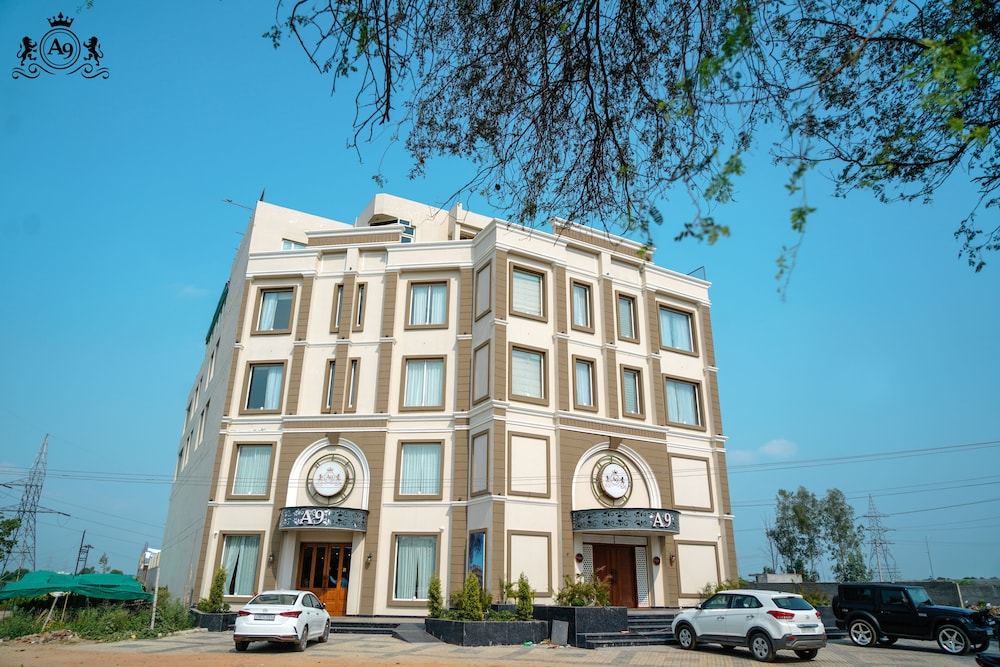
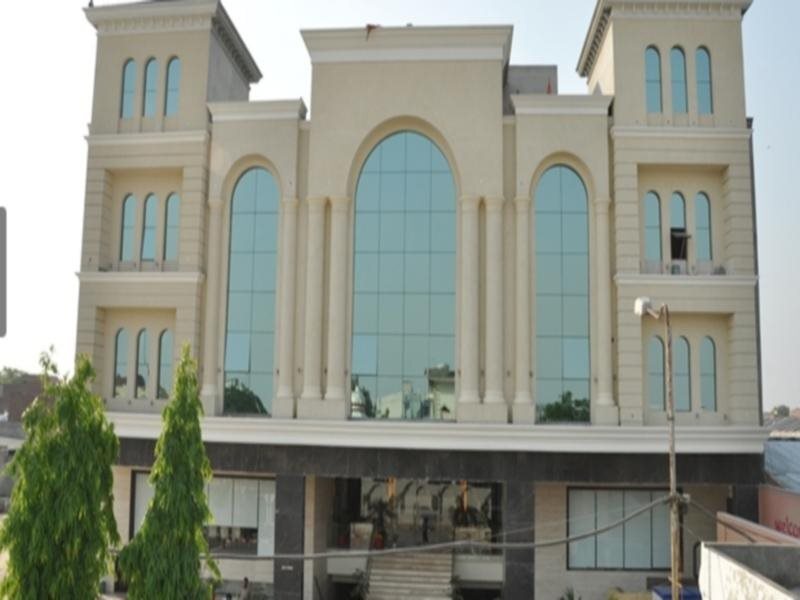
Very limited — 3-4 basic hotels near the bus stand and bypass, ₹1800-3200 a night in season, dropping toward ₹1000-1500 in the slack summer months when the mandi is quiet. Nothing above mid-range. Most travelers pass through rather than overnight. If you must stay, hotels on the Ludhiana-Bathinda bypass have better parking and quieter nights than town-center options near Tapa Road, where shutter-shop noise starts again by 6am. Budget lodges from ₹900 a night are around but very basic — expect a fan room, a squat toilet, and little else. Hotel A9 Barnala, close to the bypass, is the most reliable option for a straightforward room without the guesswork of an unnamed lodge near the bus stand; book it rather than risk the cheapest options in peak mandi season (April-May, October-November) when trader traffic fills every bed in town.
Things to do in Barnala

The main agricultural market — one of the biggest in Malwa. Visit April-May (wheat) or October-November (rice) to see the trade at full volume. Free to walk through; ask permission before photographing traders.

Famous truckers' dhaba on the Ludhiana-Bathinda bypass — full meal ₹300-450, dal makhani and tandoori roti are the standouts. Open 24 hours, cash only. Genuinely one of the better roadside meals in Punjab.

Small but historically important gurdwara commemorating the founder of the Patiala royal line. Free, open 5am-9pm. Langar available. 30 minutes.

Ask at your hotel about village access to Dhaula or Handiaya — small villages 10-15km away where you can walk fields, meet farmers, and see genuine rural life without tourism packaging. Free if you approach respectfully.
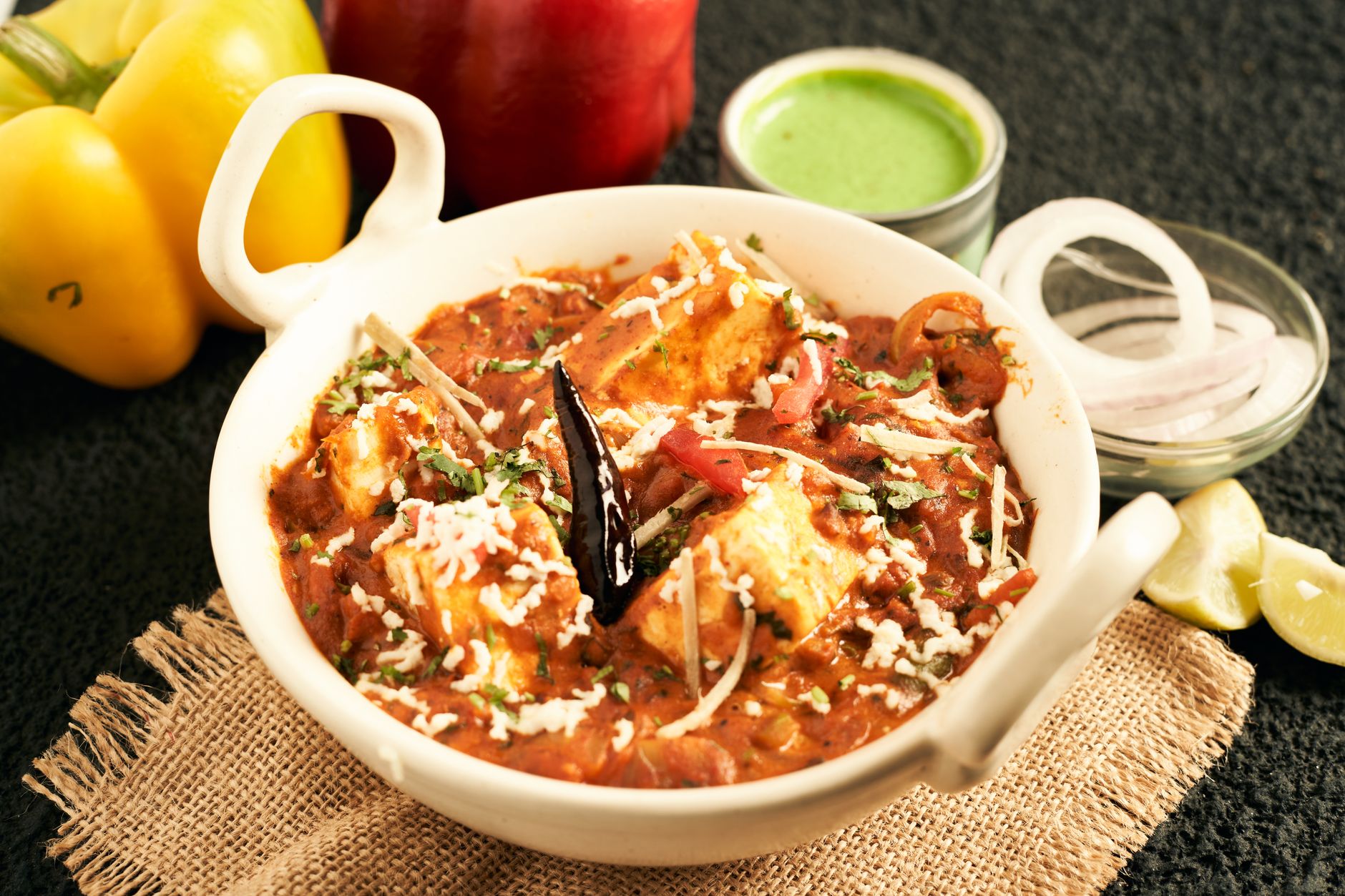
Located on Bhadaur Road near the bazaar, this is the classic finish to a mandi walk — try the pinni and the milk cake, ₹100-150 for a kilo box. Open 7am-9pm daily. A good place to sit with a chai and watch the bazaar rather than to shop hard.

A quiet stop on the Dhuri-Barnala line, worth a look if you have a spare 20 minutes near the bus stand — trains are slow and infrequent, so this is for railway curiosity rather than transport planning. Free to walk onto the platform, no ticket needed to look.
What to see
Hotels in Barnala
No hotels are listed in Barnala yet. The nearest ones are on the region page.
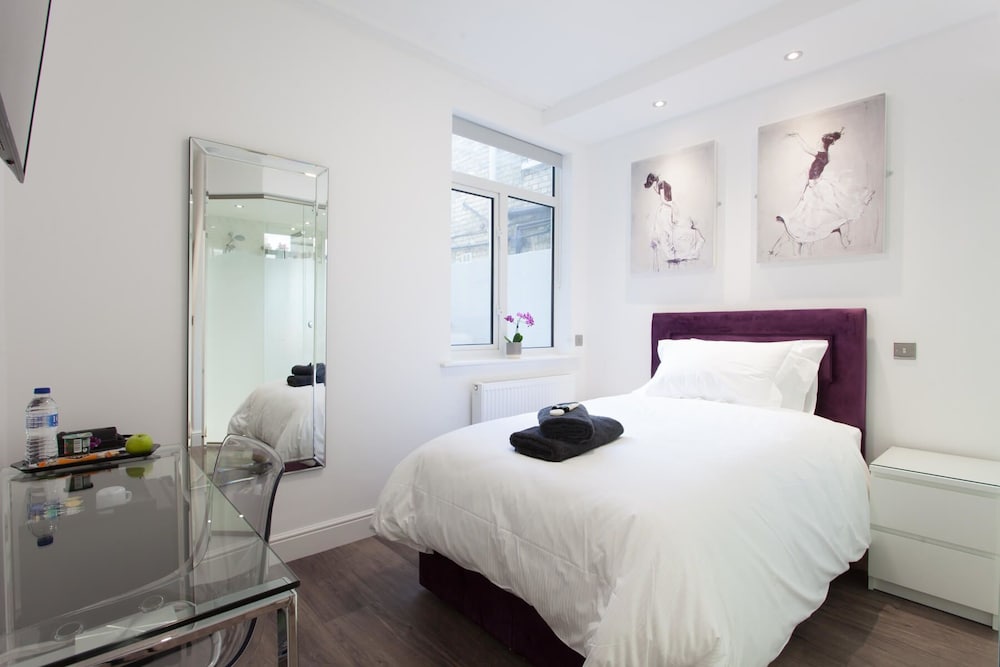
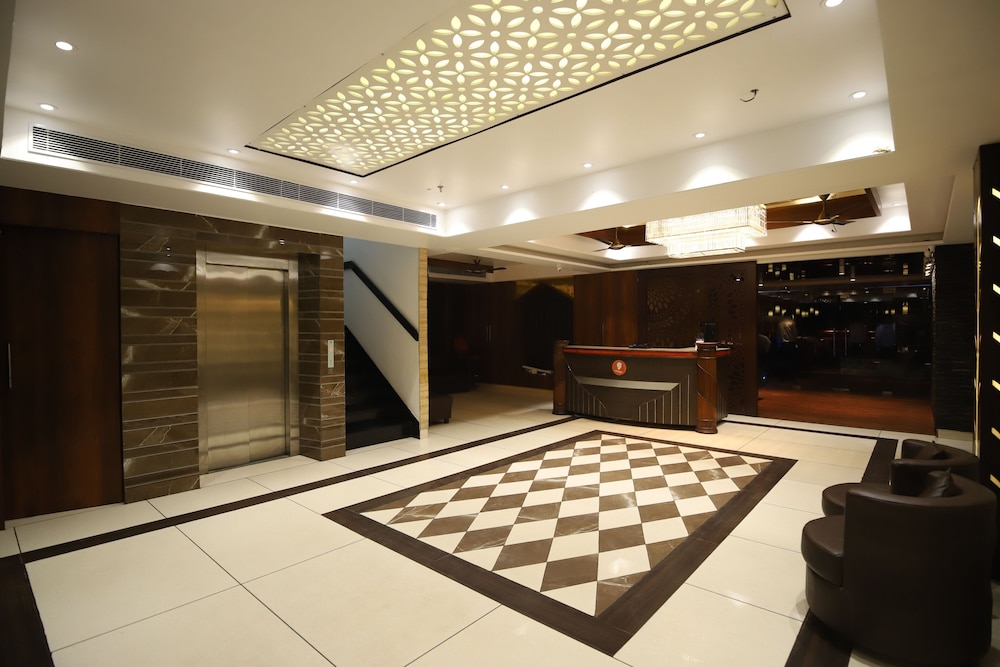
Every hotel we cover in Barnala
- Hotel Visit 3★ · 4.6/5
- Hotel A9 Barnala 4★
- DH Hotel & Restaurants 3★
- UNA Smart Radiant Plaza Hotel 3★
- Hotel Sunparkinn Barnala Punjab 2★
- Hotel D2m 1★
- Hotel Solitare 1★
Getting around Barnala
No airport — Ludhiana (55km) or Bathinda (55km) are the practical arrival points, both roughly an hour by road. Barnala railway station has slow, infrequent trains on the Dhuri-Barnala line; the faster option is buses from Ludhiana or Bathinda, running every 20 minutes for around ₹60. Inside town, autos cost ₹30-50 for most trips, and the bus stand to the mandi is a 10-minute walk if you’d rather skip the auto. If you’re driving Ludhiana-Bathinda, the highway passes through the edge of town — plan a lunch stop at the bypass dhabas rather than detouring into the center.
Questions about Barnala
As a destination in itself, no — there's nothing here that justifies a special trip. As a lunch stop on a Ludhiana-Bathinda drive, yes — Baba Ala Singh Dhaba is genuinely good. As a window into rural Malwa if you have real time in Punjab and want to see agriculture in action, also yes. Otherwise skip.
Yes — the main mandi is publicly accessible during business hours (roughly 7am-3pm). Peak season is April-May for wheat and October-November for paddy. Wear closed shoes, don’t get in the way of tractors, ask before photographing traders. Genuinely fascinating if you’ve never seen agricultural trade at scale.
It's about 170km, roughly 3.5-4 hours by road via Patiala and Sangrur. There's no direct fast train, so most travelers drive or take a bus changing at Patiala or Sangrur. If you’re coming specifically for the mandi or the dhaba, build in the return drive as a day trip rather than planning an overnight.
Gopal Sweets on Bhadaur Road is reliable for pinni, milk cake, and a decent chai if you want something other than a full meal. Tapa Road has a cluster of ordinary Punjabi dhabas serving thali for ₹80-120 that are fine but unremarkable. For a proper meal, most locals will still send you to the highway rather than into the town center.


