Tarn Taran
Home to Gurdwara Tarn Taran Sahib — a sacred pilgrimage site with the largest sarovar of any Sikh shrine.
 Gurdwara Tarn Taran Sahib and its large sarovar
Why people stay in Tarn Taran
Tarn Taran is a satellite pilgrimage town 25km south of Amritsar, dominated by Gurdwara Sri Tarn Taran Sahib — founded by Guru Arjan Dev in 1590. The gurdwara has the largest sarovar (sacred tank) of any Sikh shrine, and the monthly Masya (new moon) draws hundreds of thousands of pilgrims. It's often visited as a day-trip from Amritsar rather than an overnight, though the town does have basic accommodation for extended pilgrims. The surrounding area is rich agricultural belt — Majha wheat and rice country.
By 9pm the gurdwara zone is still busy with pilgrims but the rest of the town is quiet. During Masya (once a month) the town population multiplies. Skip: expecting food or nightlife beyond langar and dhabas. Suits: Sikh pilgrims, Amritsar day-trippers, anyone doing a serious gurdwara circuit. Skip if you’ve already done Golden Temple and Anandpur Sahib and want variety — this is more of the same, at smaller scale.
Architecturally the gurdwara complex is understated compared to the domes of Amritsar — plain white marble, a modest gold-topped sanctum, and covered walkways ringing the five-acre sarovar. Baba Deep Singh, martyred defending the Golden Temple in 1757, is remembered locally: his birthplace, Pahuwind village, lies a short drive south, and several roadside shrines along the Amritsar road mark points on his final march. None of this is signposted for tourists, so a local driver or a Sikh guide, found at the information office by the main gate, helps more than any guidebook.
Practically, Tarn Taran works best as a half-day add-on rather than a base. The town itself has one main bazaar street, Circular Road, running past the bus stand to the gurdwara gate, and beyond that little to detain a non-pilgrim — no old town, no craft market, no riverside promenade. Families travelling with young children or anyone wanting evening entertainment should base in Amritsar and drive out. Serious pilgrims doing the full Majha gurdwara circuit — Tarn Taran, Baba Bakala, Khadur Sahib — will find staying overnight here more efficient than backtracking to Amritsar each day.
Circular Road, the street linking the bus stand to the gurdwara's main gate, holds the town's handful of budget hotels — expect ₹800-1,600 a night for a clean double with air conditioning, dropping to ₹500-900 in the off season outside Masya weeks. The SGPC-run serais inside the gurdwara complex charge a nominal donation for dormitory beds and are the cheapest option for genuine pilgrims, though rooms are basic and shared bathrooms are the norm. Avoid the unmarked lodges tucked into side lanes off Circular Road — several operate without proper registration and are known to overcharge visibly foreign guests. During Masya, book at least a week ahead or expect nothing within walking distance of the gurdwara. For most travellers the sensible call is still to stay in Amritsar and treat Tarn Taran as a day visit.
Things to do in Tarn Taran

The main gurdwara with the largest Sikh sarovar (5 acres). Free, open 24 hours. Head covering and shoes off required. The main hall and sarovar parikrama take 90 minutes. Langar available throughout the day. Reach the main gate via Circular Road, a five-minute walk from the bus stand.

Once a month on the new moon — hundreds of thousands of pilgrims descend for a bath in the sarovar. Powerful atmosphere but crushingly crowded. Check the Sikh calendar for exact dates; avoid if crowds bother you. The biggest Masyas, in Vaisakh and Kartik, can draw over 300,000 people in a single day.

25km away — Gurdwara Baba Bakala Sahib, where Guru Tegh Bahadur was declared the ninth Guru. Free, open 4am-10pm. Combine with Tarn Taran as a longer pilgrimage day. A shared taxi from Tarn Taran costs around ₹400 return and takes forty minutes each way.

The area around Tarn Taran is classic Majha countryside — wheat and rice fields, small gurdwaras, working villages. Hire a driver for half a day (₹1,600) and stop at Khadur Sahib gurdwara en route. Fields turn gold with wheat in April, making an early-morning drive especially scenic.

A quieter shrine 10km east of Tarn Taran, linked to Guru Hargobind and later restored in Baba Deep Singh's memory. Free entry, open sunrise to sunset. Autos from the Tarn Taran bus stand cost around ₹250 one-way; there is no direct bus, so agree a return fare before setting off.

The lane running from the gurdwara's main gate to Circular Road sells kirpans, kadas, religious CDs and printed shabad books, most priced ₹50-300. Stalls open from around 6am until after the last evening service, roughly 9pm. Bargaining is mild and prices are largely fixed by the shopkeepers' association.
What to see
Hotels near Tarn Taran
No hotels are listed in Tarn Taran yet. The nearest ones are on the region page.
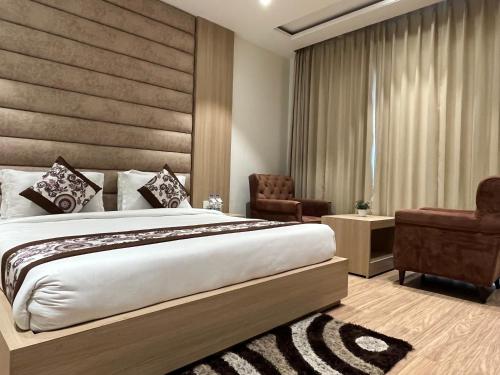
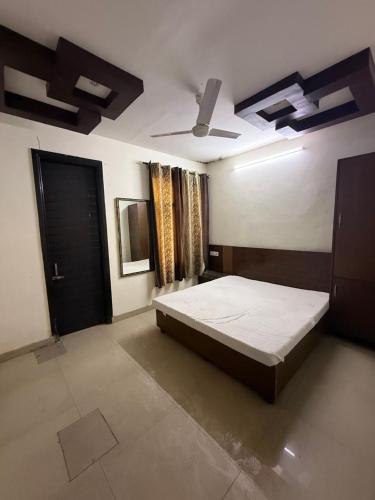
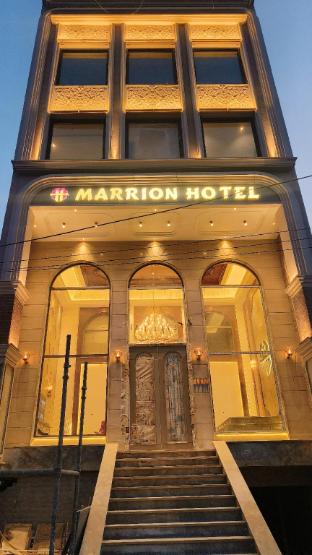
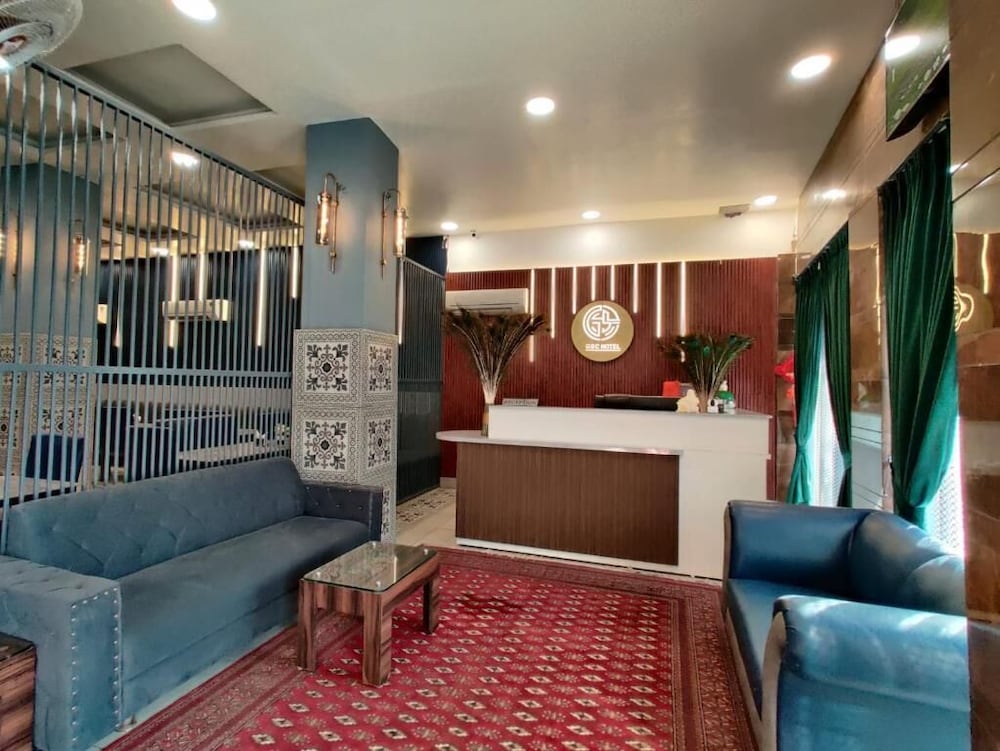
Every hotel we cover in Tarn Taran
- Hotel Royal Place 3★
- Balaji Kunj 2★
Getting around Tarn Taran
No airport — Amritsar (25km, taxi around ₹800) is the standard entry point for international and domestic flights alike. Tarn Taran's own railway station sees only slow, infrequent passenger trains, so almost everyone arrives by road. Buses from Amritsar's bus stand leave every 15 minutes, cost ₹50, and take 45 minutes; shared taxis from the same stand charge about ₹160 per seat and are quicker when full. Inside town, cycle-rickshaws and autos charge roughly ₹80 for most trips, and the gurdwara itself is only a five-minute walk from the bus stand along Circular Road. Combine easily with Amritsar, Khadur Sahib or Baba Bakala in a single long day out.
Questions about Tarn Taran
Yes, easily — 25km, 45 minutes by bus or taxi. Most visitors do exactly this. Morning departure, gurdwara visit and lunch (langar), afternoon return. If Masya coincides with your visit expect longer travel times and heavier crowds; leave earlier.
The monthly new moon (Amavasya) day, when Sikh pilgrims traditionally bathe in the Tarn Taran sarovar. The largest gatherings are on Masya of the month of Vaisakh (April) and Kartik (November). Expect 200,000-500,000 pilgrims. Accommodation and transport both spike; if you’re not specifically going for the atmosphere, avoid Masya dates.
No — like all Sikh gurdwaras, entry is free and open to everyone regardless of religion. Visitors must cover their head, remove shoes before the marble parikrama, and avoid tobacco, alcohol or leather items inside the complex. Donations toward the langar kitchen are welcomed but never required.
Yes, the town is calm and pilgrim-oriented, with a steady flow of visitors at all hours around the gurdwara. Solo travellers, including women, generally report no issues, though the bus stand area is worth avoiding late at night when it empties out. Outside Masya dates the town itself is sleepy rather than risky.


